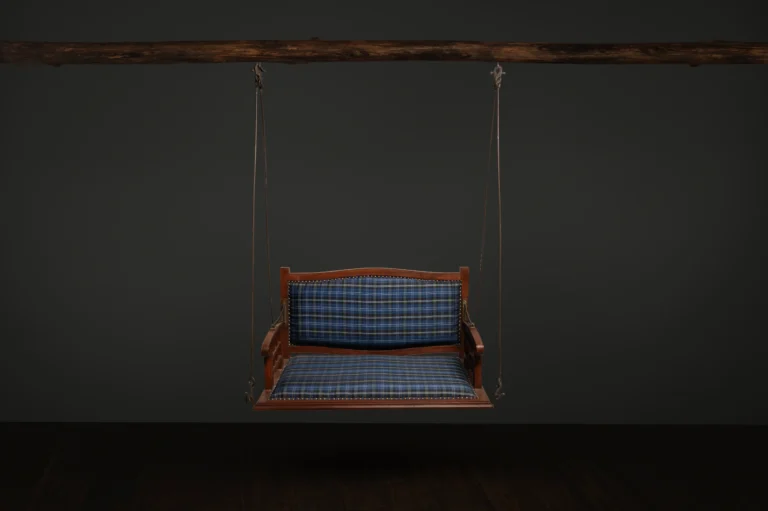
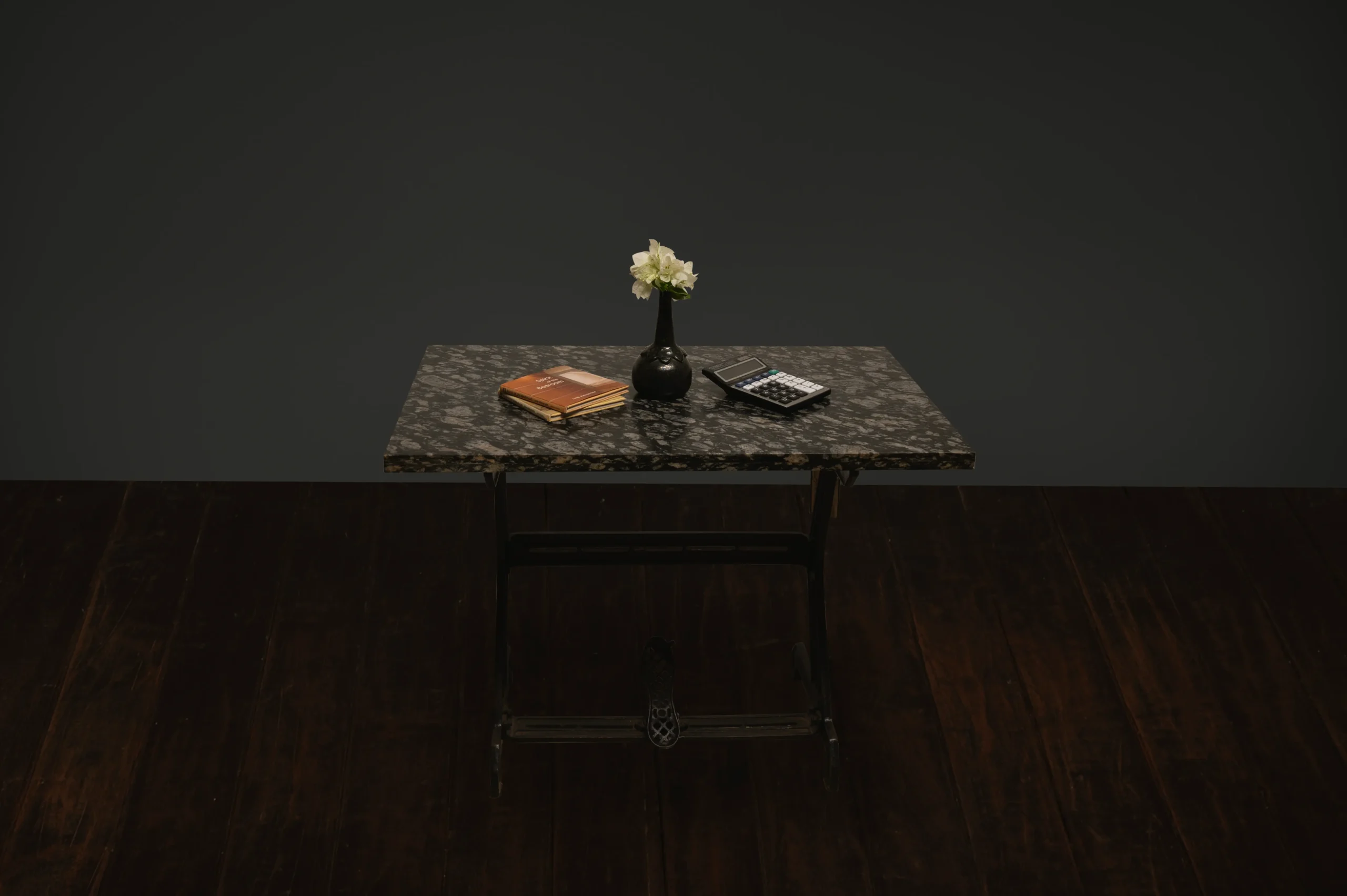
The fear with mixing old pieces is always the same: won’t it end up looking like a jumble sale? It’s a fair worry. Furniture collected across different eras, regions, and styles can easily tip into chaos if it’s assembled without a plan. But the homes that do it well prove the opposite is just as possible – rooms where nothing matches, yet everything belongs. That’s not luck. It’s a skill, and a fairly learnable one.
At Circa Warehouse, we help people build exactly this kind of interior – layered, personal, and collected rather than purchased all at once. Legacy, not look-alike, applies just as much to how a whole home comes together as it does to any single piece in it. Here’s the framework for making it work.
Find One Unifying Thread
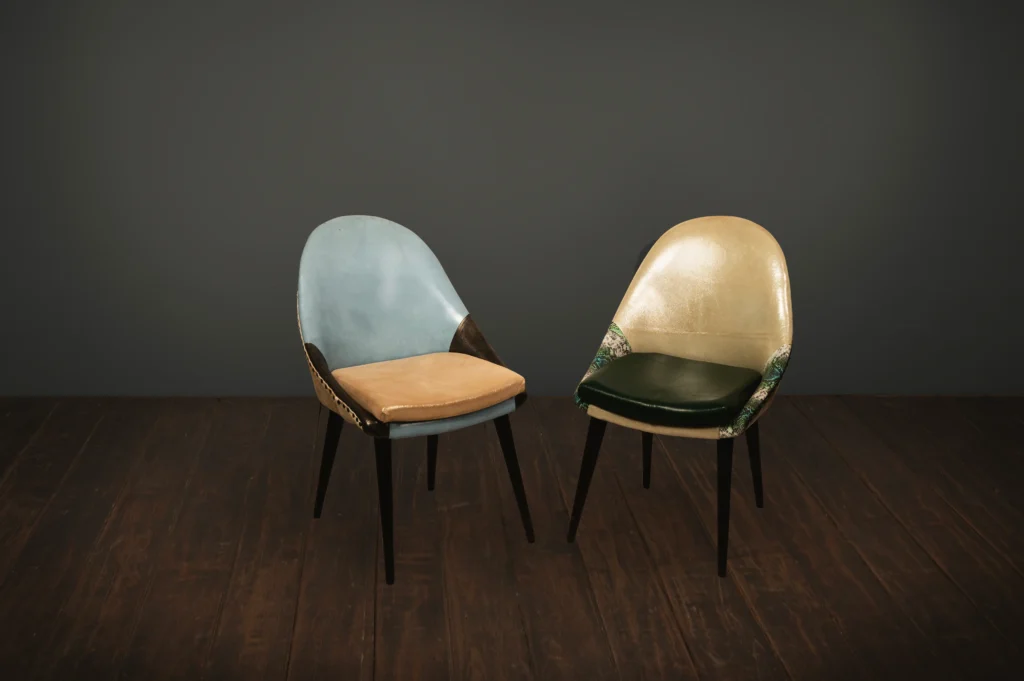
Cohesion rarely comes from matching everything – it comes from repeating one thing consistently. That thread could be a wood tone, a metal finish, a region, or even just an era of craftsmanship. Choose antique furniture pieces that share this one quality, and the rest of the room can vary wildly in style without ever feeling disconnected. It’s the single most effective trick in curating a mixed collection.
Vary Scale and Silhouette, Not the Material Language
Once your thread is set, let everything else move freely. Mix a large, sculptural console with a small, delicate side table. Combine a heavily carved chair with a plain, unadorned bench. Difference in scale and shape reads as intentional variety; difference in material language – mixing raw industrial metal with ornate gilded wood, for instance – is what actually reads as chaotic. Keep the materials speaking the same dialect, even as the shapes change.
Let One Room Set the Rule for the House
Trying to establish cohesion room by room, independently, usually backfires – the house ends up feeling like several unrelated ideas under one roof. Instead, let your most confident room set the rule, then carry a version of it – the same wood tone, the same restraint, the same balance of old and new – into every other space. A home feels considered when its rooms are clearly in conversation with each other, not designed in isolation.
Curate Slowly, Layer by Layer
The best mixed-era interiors are rarely built in one shopping trip. They’re layered over time – a heritage furniture anchor piece this year, a smaller find the next, an architectural element added once the right one turns up. This slower rhythm is what actually creates the feeling of a home built across time, rather than one assembled to a deadline.
When in Doubt, Repeat a Detail
If a room ever starts to feel disjointed, the fix is rarely to remove a piece – it’s to repeat a detail somewhere else in the room. The same brass tone on two unrelated objects, the same rounded edge on two different silhouettes, is often all it takes to pull a mixed collection of vintage furniture back into focus. Cohesion is less about restriction and more about quiet repetition.
Ready to bring home a piece of vintage furniture? Get in touch with Circa Warehouse today.