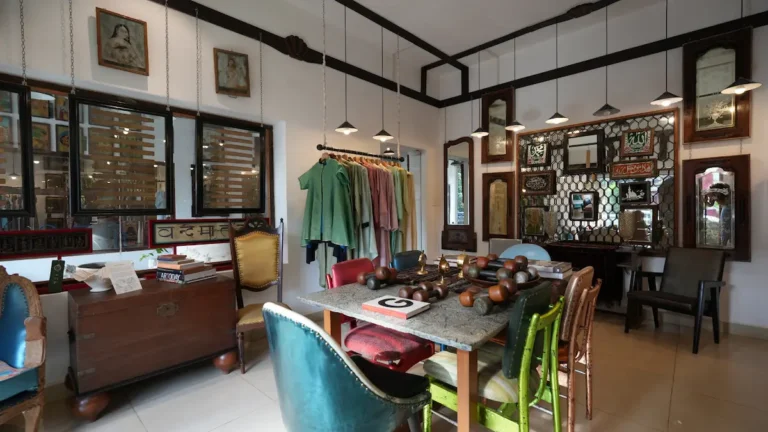
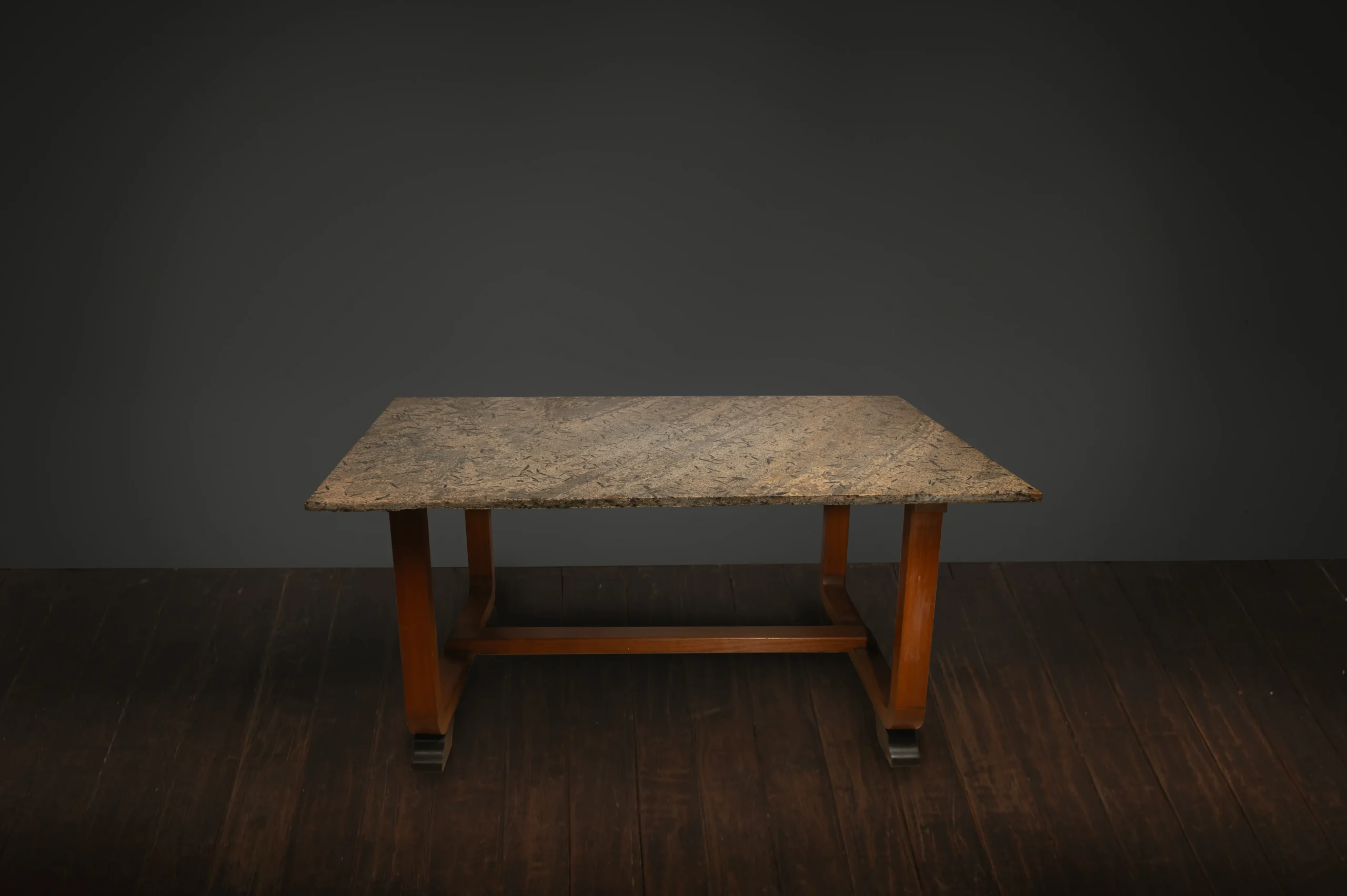
Ask someone to describe a hotel they stayed at last year, and most will struggle. Ask them to describe the one boutique property with the carved wooden door in the lobby, or the restaurant with the strange, beautiful old cabinet by the bar, and they’ll remember it instantly – sometimes years later. That’s the entire advantage boutique hospitality has over chain uniformity: the ability to be remembered for something specific. And nothing creates a specific memory quite like antique furniture.
At Circa Warehouse, we’ve worked with spaces that understood this instinctively – that a guest doesn’t remember thread counts, they remember objects. Legacy, not look-alike, applies just as powerfully to a lobby as it does to a living room. Here’s how to design hospitality spaces guests actually talk about afterward.
Guests Remember Objects, Not Amenities
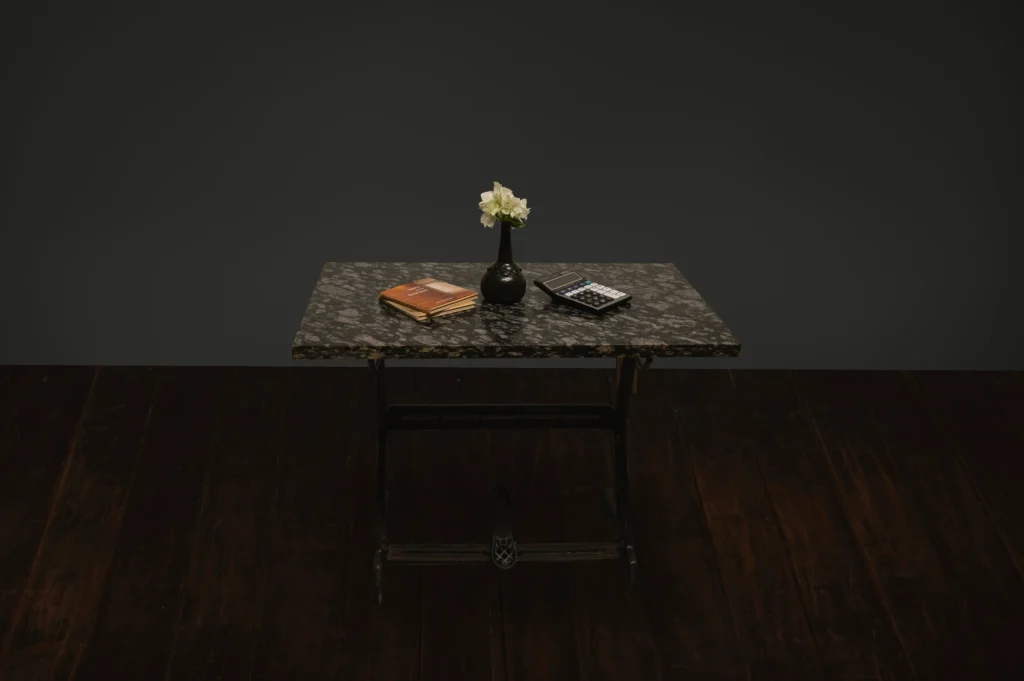
Amenities get compared on a spreadsheet. Character doesn’t. A striking, one-of-a-kind piece of antique furniture in a lobby or lounge gives guests something they can’t find at the property down the street, and something worth mentioning when they describe their stay to someone else. In an industry built almost entirely on word of mouth and social sharing, that’s not a small advantage.
Built for Daily Use, Not Just Display
Commercial spaces put furniture through far more wear than any home ever will, which is exactly where well-restored antiques quietly outperform expectations. Solid joinery and dense, aged timber were built to withstand decades of use long before they ever reached a hospitality setting – a level of durability that’s genuinely difficult to find in furniture manufactured for a five-year refresh cycle. Choosing pieces built to last isn’t just an aesthetic decision here; it’s a practical one.
Design the Moment Guests Will Photograph
Every boutique property now competes for a specific kind of attention – the corner someone photographs and shares before they’ve even checked in. A striking piece of antique home decor positioned deliberately – a rare sculpture near a check-in desk, a curated curio on a lounge shelf – often becomes exactly that moment, doing marketing work no paid campaign can replicate as convincingly.
Scale for the Space, Not Just the Style
A lobby or a restaurant dining room needs presence that a home rarely does. This is where luxury home decor at an architectural scale earns its place – a salvaged door as an entrance statement, a carved pillar framing a bar. These larger elements give commercial spaces the gravity they need without resorting to size for its own sake.
Designing for What Guests Take With Them
A great hospitality space isn’t just comfortable while guests are in it – it stays with them after they leave. That kind of impression is rarely built from amenities alone. It’s built from the one piece, the one corner, the one detail a guest can’t quite stop thinking about. Antique furniture has always been remarkably good at being that detail.
Ready to bring home a piece of antique home decor? Get in touch with Circa Warehouse today.