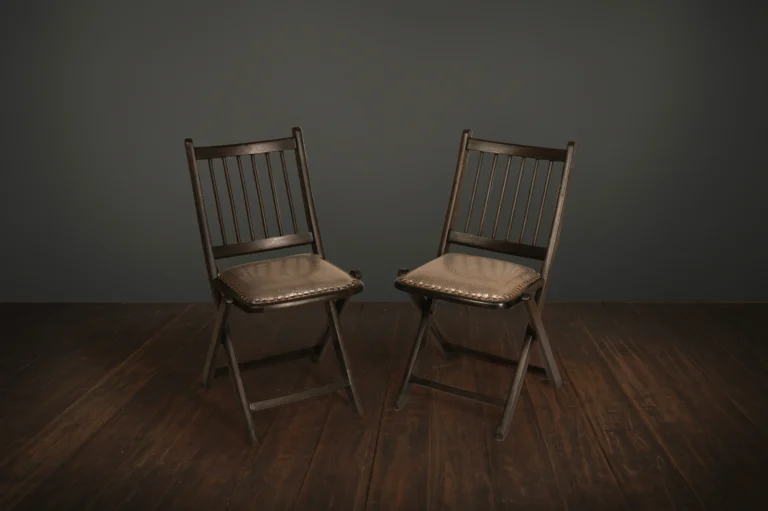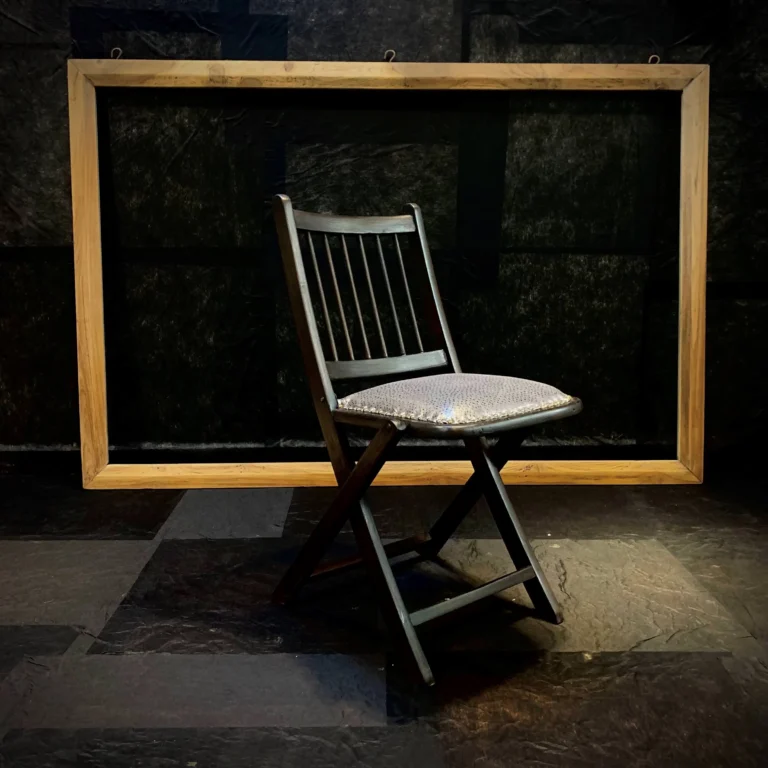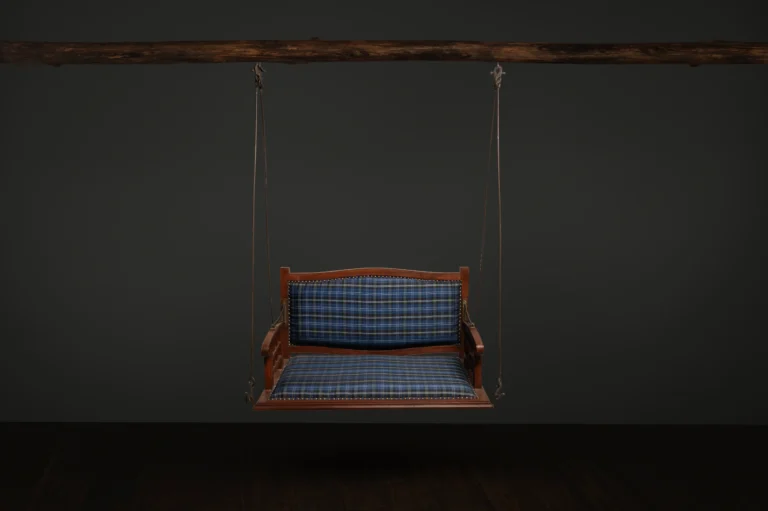
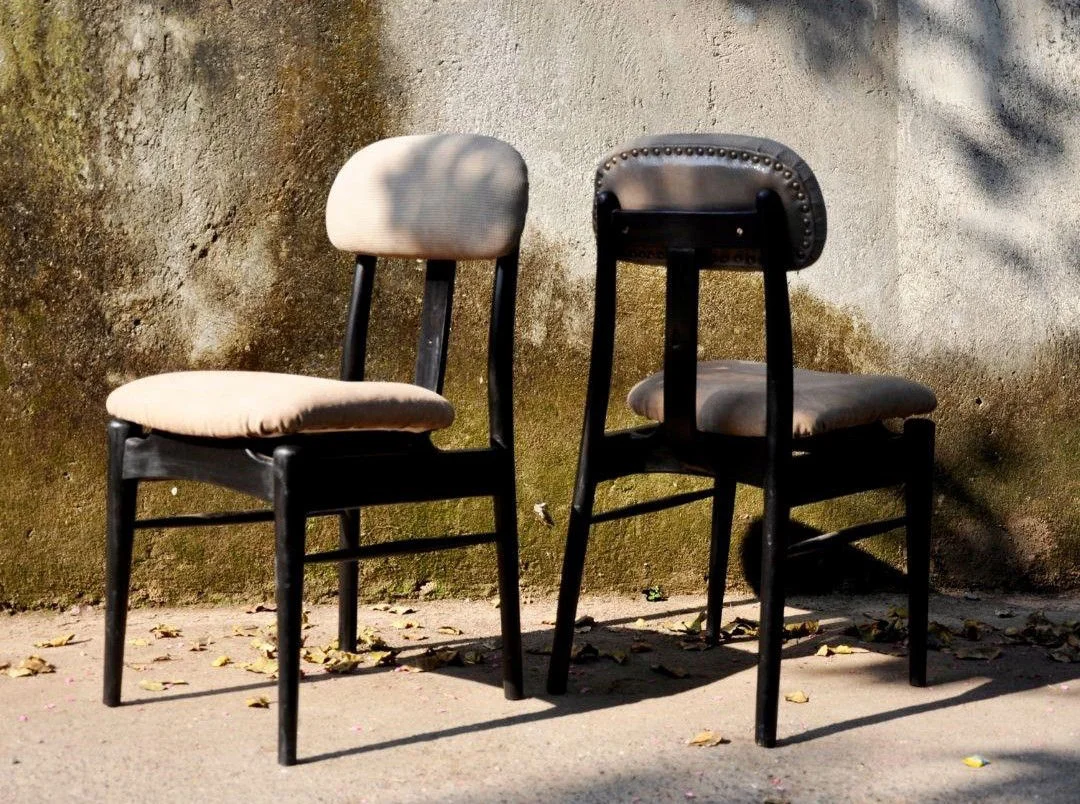
Put a factory-made chair and a genuinely antique one side by side, and at first glance they might look similar enough. Sit with them a little longer, though, and the gap becomes obvious. One was assembled to a spec sheet. The other was shaped, joint by joint, by someone who understood wood the way a sculptor understands stone. No amount of modern tooling has managed to close that gap – because what’s missing isn’t precision. It’s judgment.
At Circa Warehouse, this is the craftsmanship we spend most of our time studying before we ever touch a restoration. Legacy, not look-alike – because the moment you understand what actually went into a piece, replicating it stops being the point. Here’s what modern manufacturing still can’t touch.
Joinery That Doesn’t Need Screws
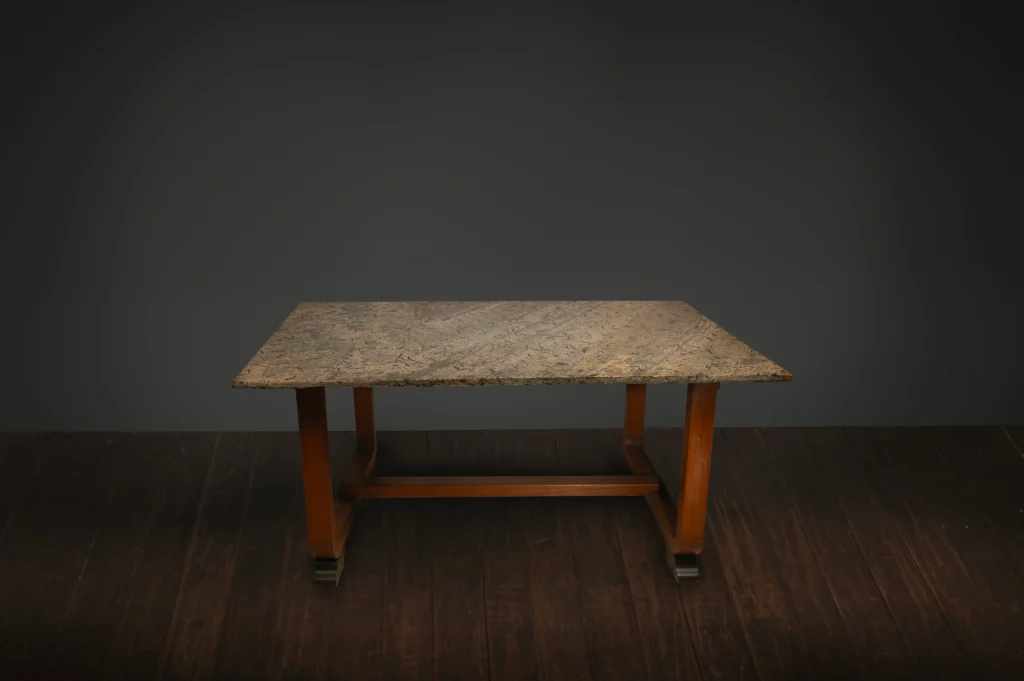
Long before machine fasteners existed, furniture makers relied on joinery techniques – dovetails, mortise-and-tenon joints, pegged connections – designed to lock wood together using its own structure. These joints don’t just hold; they flex with the timber as it expands and contracts across seasons, which is exactly why so much antique furniture has survived a century of use without falling apart. Most modern furniture, held together by screws and adhesive, was never built with that kind of patience in mind.
Hand-Carving and the Imperfections Machines Can’t Fake
A CNC router can cut a near-perfect pattern in minutes. What it can’t do is carve with judgment – deepening a line here, softening a curve there, responding to the grain of the specific piece of wood in front of it. That responsiveness is what gives hand-carved antique furniture its slight, human asymmetry – the kind no algorithm has been taught to replicate, because it was never following a formula in the first place.
Materials Chosen by Hand, Not by Formula
Traditional makers selected timber by feel and by eye – checking grain direction, density, and how a specific plank would age, long before it was cut. Factories work in bulk, optimizing for consistency and cost rather than individual character. This is a large part of why genuine heritage furniture and architectural salvage age so differently from new furniture – the materials themselves were chosen with an eye on decades, not just delivery deadlines.
A Craft Passed Down, Not Programmed In
Much of this skill traces directly back to generations of Indian handicrafts tradition, where techniques were taught hand to hand rather than written into a manual – a lineage Circa Warehouse’s own family history in the trade is directly rooted in. That kind of knowledge doesn’t transfer to a factory floor. It has to be learned slowly, from someone who already knows it, which is exactly why it’s becoming rarer with every passing generation.
Why This Still Matters Today
None of this is nostalgia for its own sake. It’s the reason certain pieces still stand, still hold weight, and still look better with age instead of worse. Modern manufacturing solved for speed and scale – and in doing so, quietly gave up on judgment, patience, and the kind of imperfection that only comes from a human hand. That’s not a flaw in antique furniture. It’s the entire point.
Ready to bring home a piece of heritage furniture? Get in touch with Circa Warehouse today.