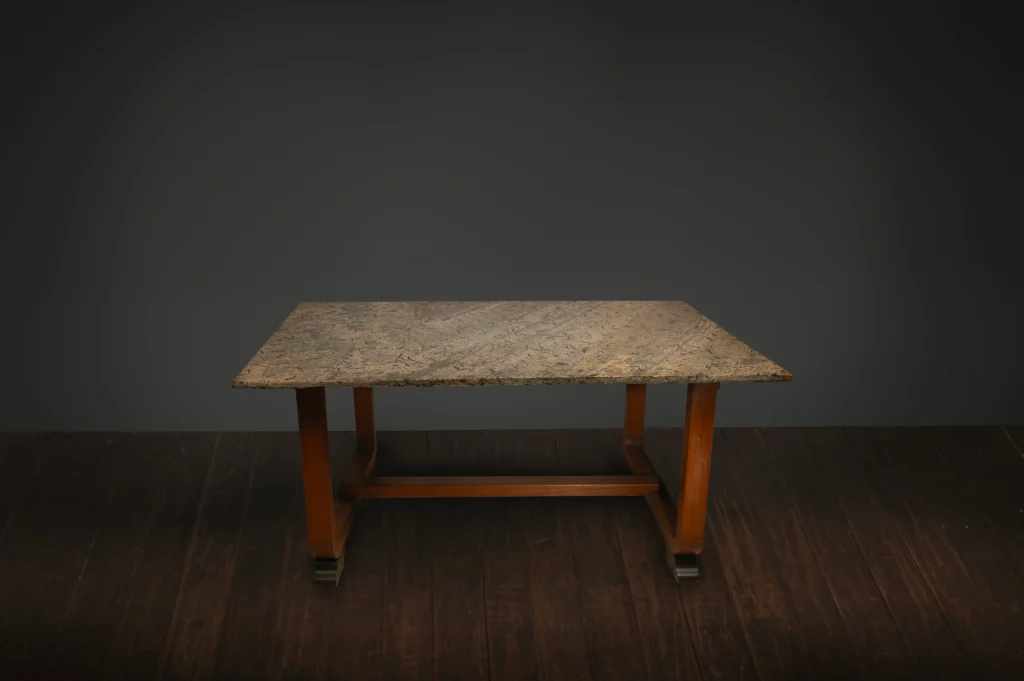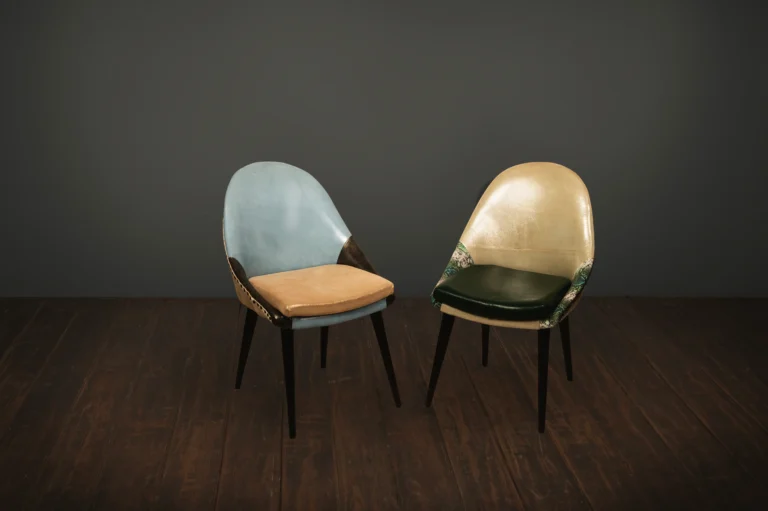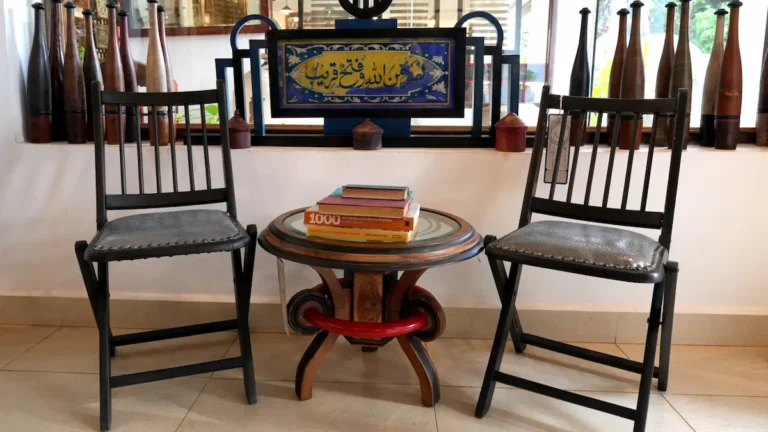
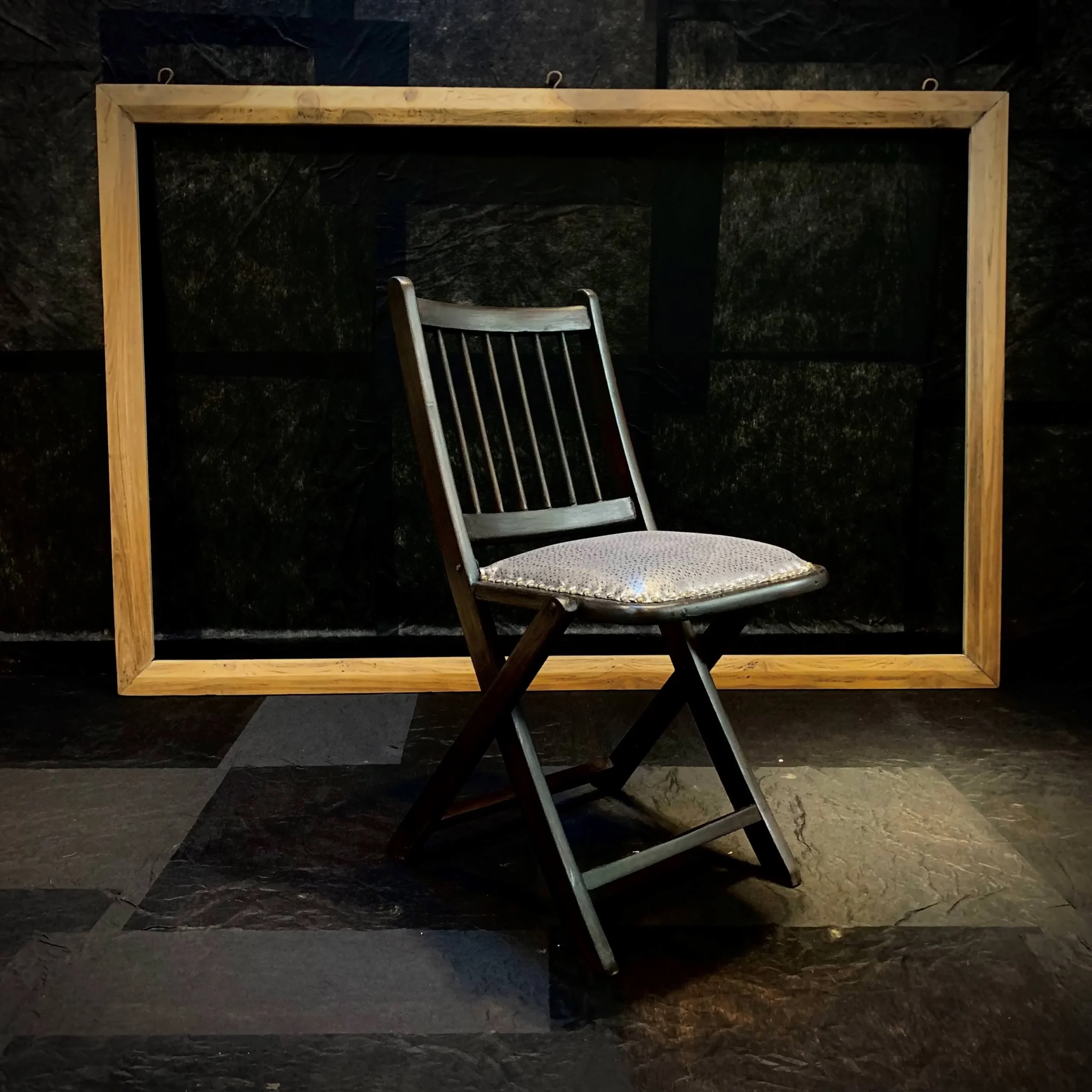
Not long ago, “luxury home” meant new. New builds, new finishes, new furniture straight from a showroom floor. That definition is quietly being rewritten. Walk through the homes design magazines are actually featuring today, and you’ll notice something different – the standout pieces are often the oldest ones in the room. Vintage furniture isn’t a niche taste anymore. It’s becoming the standard for what discerning homeowners consider genuinely luxurious.
At Circa Warehouse, we’ve watched this shift unfold from the inside, sourcing and restoring the very pieces now landing in some of the most considered interiors around. Here’s what’s actually driving the demand – and why it isn’t a passing trend.
Fatigue With the Identical
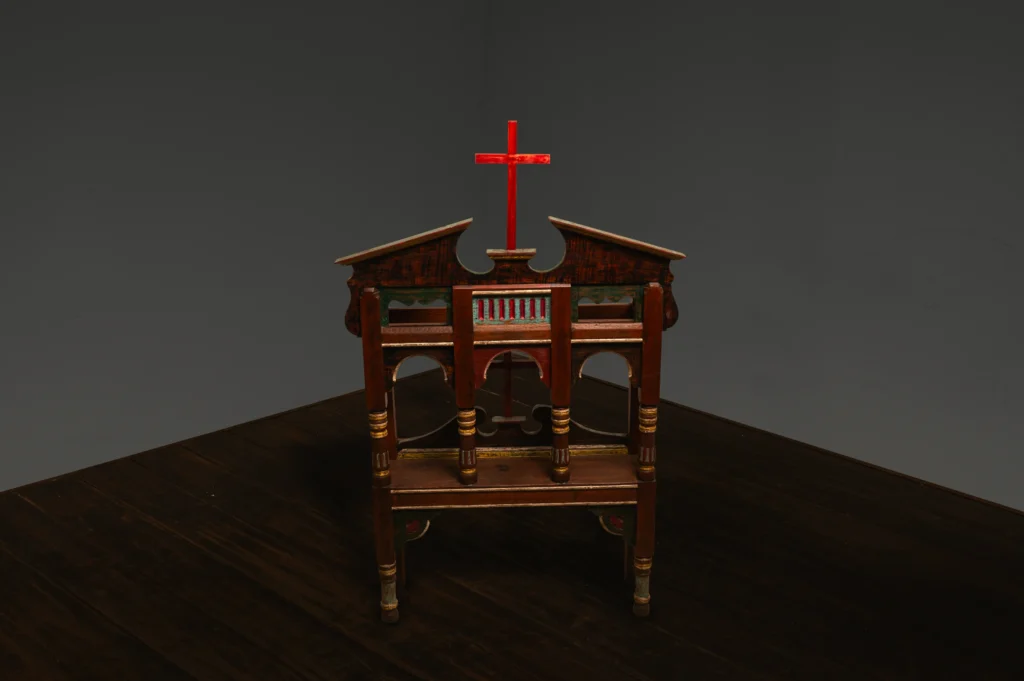
Mass production solved a lot of problems, but it created one too: sameness. When the same sofa, the same console, the same finishes show up in a thousand homes, individuality becomes the rarer and more valuable thing. Homeowners with the means to choose anything are increasingly choosing the piece nobody else can source – and that’s rarely something built last quarter. It’s something with thirty, fifty, a hundred years of use already behind it.
A Quieter Kind of Sustainability
Sustainability has entered the luxury conversation in a way it never used to, and vintage furniture answers it without ever needing to advertise the fact. Choosing a beautifully restored piece over a newly manufactured one means one less tree felled, one less factory run, one less object destined for a landfill in a decade. It’s a quiet kind of responsibility that happens to also look better in a room – which is precisely why it’s resonating with a design-conscious, environmentally aware buyer.
Luxury Is Being Redefined as Story, Not Price Tag
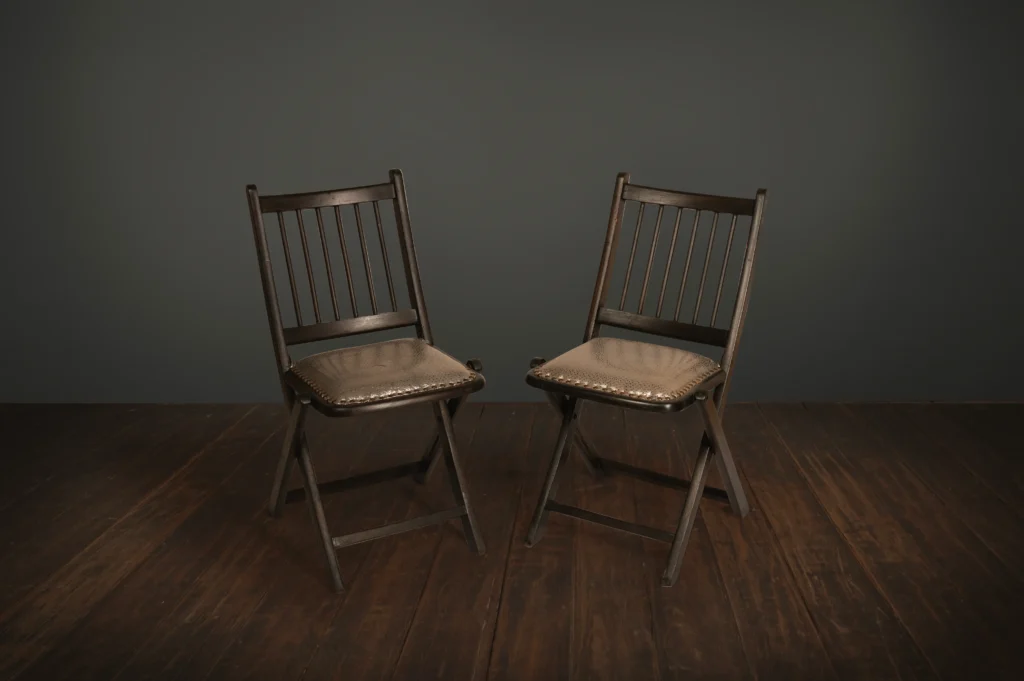
For a long time, luxury was shorthand for expensive and new. That’s shifting toward something harder to manufacture: provenance. A piece that can be traced, that carries a real history, that was clearly made by hand rather than assembled on a line – this is what today’s luxury buyer is actually paying for. It’s why antique furniture increasingly commands the kind of attention once reserved only for the newest, most expensive releases on the market.
Design Culture Caught Up
Interior inspiration used to travel through showrooms and catalogues. Now it travels through carefully styled feeds and design accounts, where vintage furniture and layered, well-chosen luxury home decor consistently outperform sterile, matched interiors. Visibility changed appetite, and appetite is now shaping what luxury actually means to a much wider, much younger buyer than a decade ago.
A Shift That’s Here to Stay
This isn’t a passing aesthetic moment. It reflects a genuine change in what luxury is expected to deliver – individuality, responsibility, and a story worth telling, not just a price tag worth flaunting. Vintage furniture checks every one of those boxes in a way very little new furniture ever will.
Ready to bring home a piece of vintage furniture? Get in touch with Circa Warehouse today.