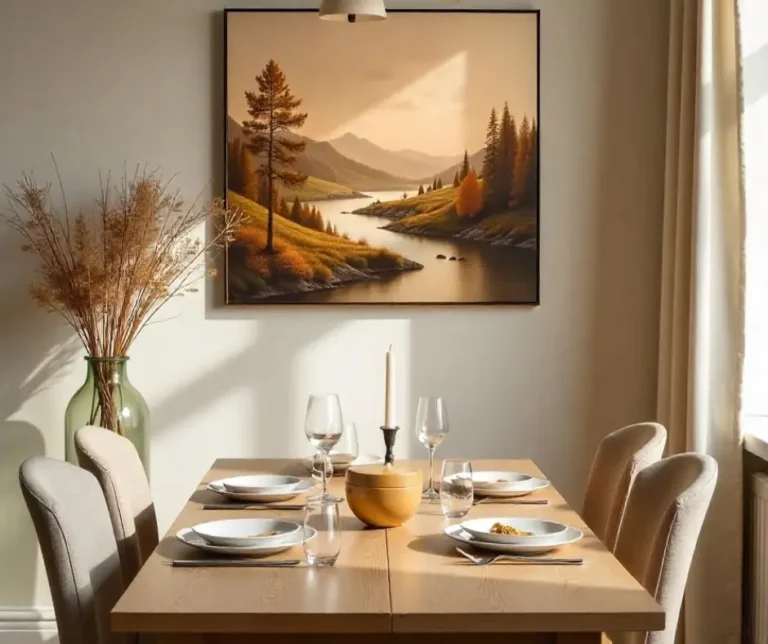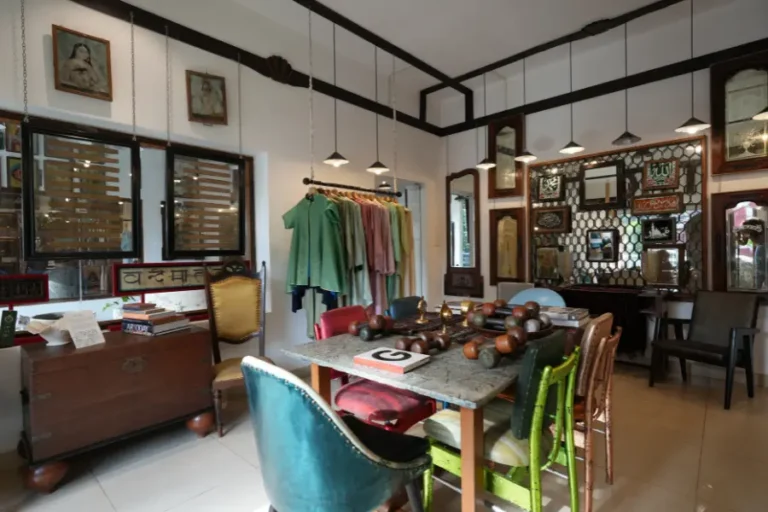
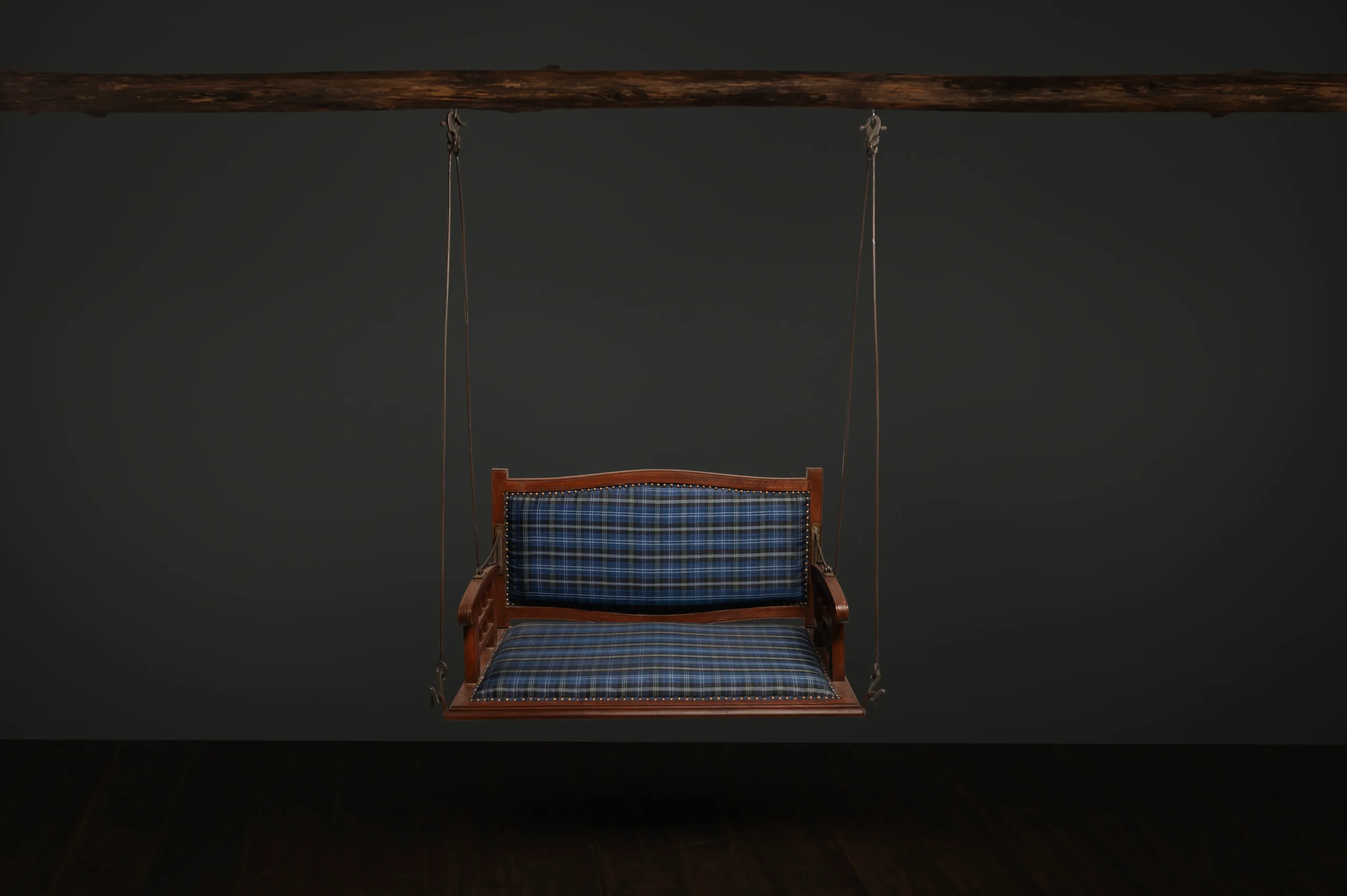
Sustainability and luxury are usually presented as a trade-off – as if caring about impact means settling for less beautiful, less refined, less indulgent. Antique furniture quietly proves that framing wrong. It was sustainable before sustainability was a marketing term, simply because reuse, repair, and restraint were once the only options anyone had. Choosing it today isn’t a compromise. It might be the most genuinely luxurious decision available.
At Circa Warehouse, restoration has always been the whole model, not a side benefit. Legacy, not look-alike – and as it turns out, that same philosophy happens to be one of the most environmentally responsible ways to furnish a home. Here’s why.
The Hidden Cost of “New”
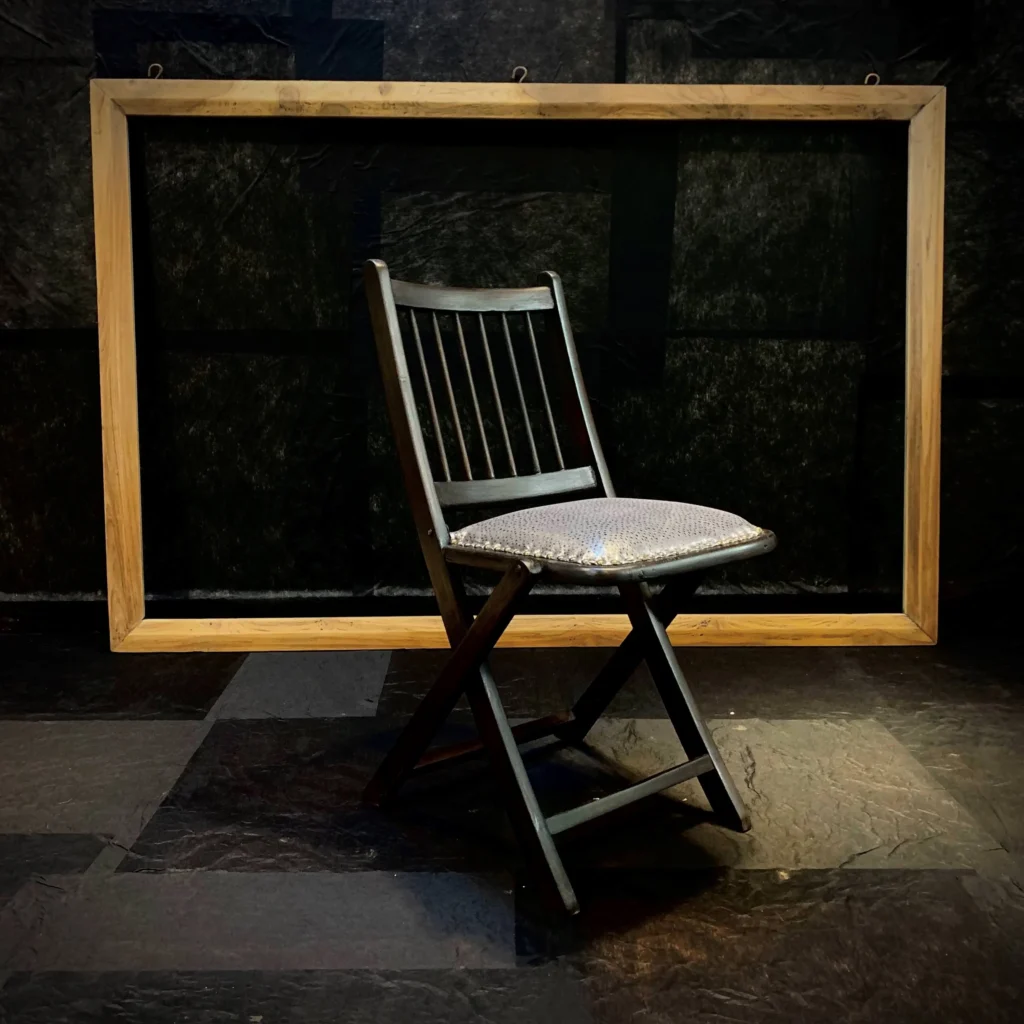
New furniture carries a cost that never shows up on the price tag – the timber felled, the factory run, the transport, the packaging, the eventual trip to a landfill once trends move on. Most of that furniture isn’t built to be repaired; it’s built to be replaced. Multiply that by how often trend-driven interiors get refreshed, and the environmental toll of “new” adds up far faster than most people realize.
Restoration as a Circular Economy
Every restored piece is one less item manufactured from scratch. Choosing genuine antique furniture over new means the raw materials, the labor, and the craftsmanship already spent on a piece continue working, rather than being discarded and repeated all over again. It’s circularity in its original form, long before the word existed – take something that already exists, extend its life, and let it serve another generation.
Handicraft Traditions Built on Low-Impact Practices
Long before industrial manufacturing existed, Indian handicrafts traditions were, by necessity, low-impact – hand tools instead of energy-intensive machinery, natural finishes instead of synthetic ones, materials chosen and used sparingly because nothing was mass-produced or disposable. Circa Warehouse’s own roots in this trade mean sustainability was never an added value proposition for us. It’s simply how the craft has always worked.
Heritage Pieces Outlive Trends – and Landfills
The average piece of trend-driven furniture doesn’t last long enough to become anyone’s heirloom. Genuine heritage furniture and architectural salvage are proof of the opposite – objects built well enough, and cared for well enough, to outlast the buildings they originally came from. Buying something built to survive decades, rather than seasons, is one of the simplest sustainable choices a home can make.
Sustainable Luxury Isn’t an Oxymoron
Real luxury was never about consumption for its own sake – it was about quality, care, and things built to last. Somewhere along the way, mass production convinced people that luxury meant buying more, more often. Antique furniture quietly argues the opposite, and it happens to be right on both fronts: better for a room, and better for the planet that room sits on.
Ready to bring home a piece of antique furniture? Get in touch with Circa Warehouse today.