Long before “curated” became a design buzzword, Indian artisans were already practicing it – passing down techniques for carving, casting, and weaving through generations, each piece shaped by hand and made to last. That same spirit is what makes Indian handicrafts such a natural companion to antique furniture. Both are built on patience. Both carry the fingerprints of the person who made them. And when placed together thoughtfully, both elevate a room in a way that mass-produced luxury never quite manages.
This pairing isn’t incidental for us. Circa Warehouse’s own roots trace back to a family legacy in Indian handicraft trade, which is exactly why we see furniture and handicraft as two expressions of the same idea – legacy, not look-alike. Here’s how the two come together in a genuinely luxury interior.
Two Traditions Speaking the Same Language
Antique furniture and traditional handicraft share more than a time period – they share a philosophy. Both prize the hand of the maker over the efficiency of the machine. A hand-carved trinket box and a hand-joined teak cabinet may come from entirely different workshops, decades or even centuries apart, yet they sit together with an ease that no furniture-and-accessory “set” from a showroom ever achieves. It’s a shared language of craftsmanship, and rooms that speak it consistently feel unmistakably considered.
Where Handicrafts Belong in a Luxury Interior
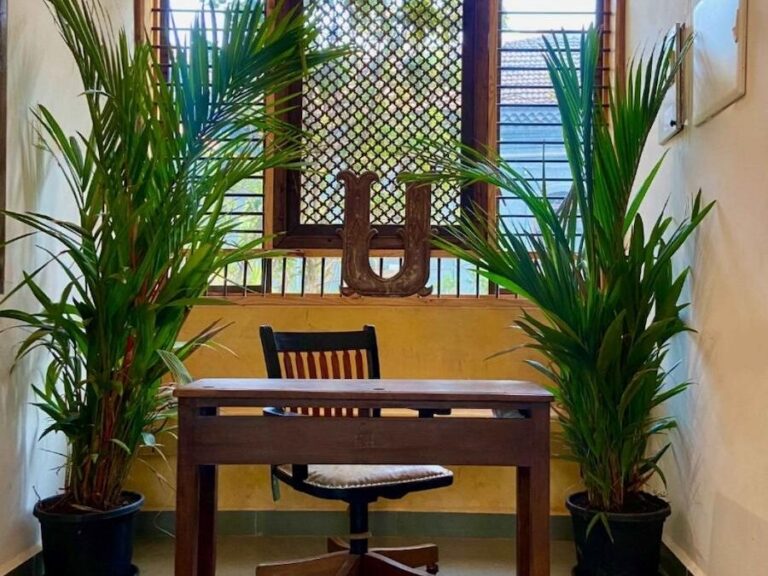
Handicrafts work best as accents, not overload – a hand-hammered brass tray on a console, a block-printed textile draped over a chair, a carved wooden figure placed with intention on a shelf. This restraint is really the essence of good luxury home decor – letting a handful of genuinely crafted pieces carry a room, rather than crowding it with volume. One well-chosen object almost always does more work than five decorative ones.
Let Furniture Be the Foundation
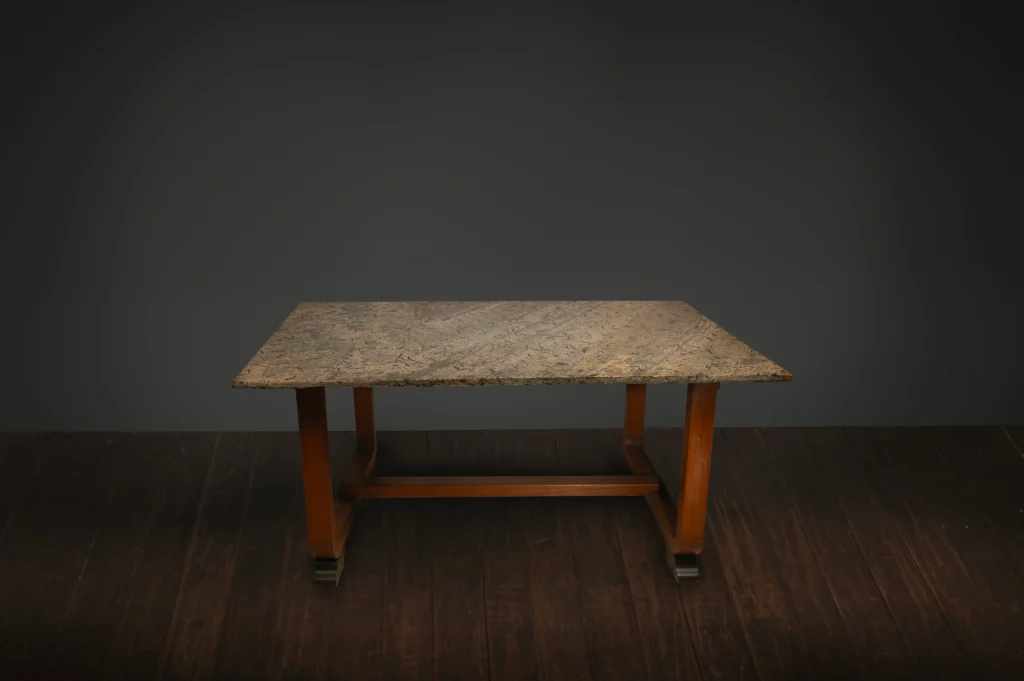
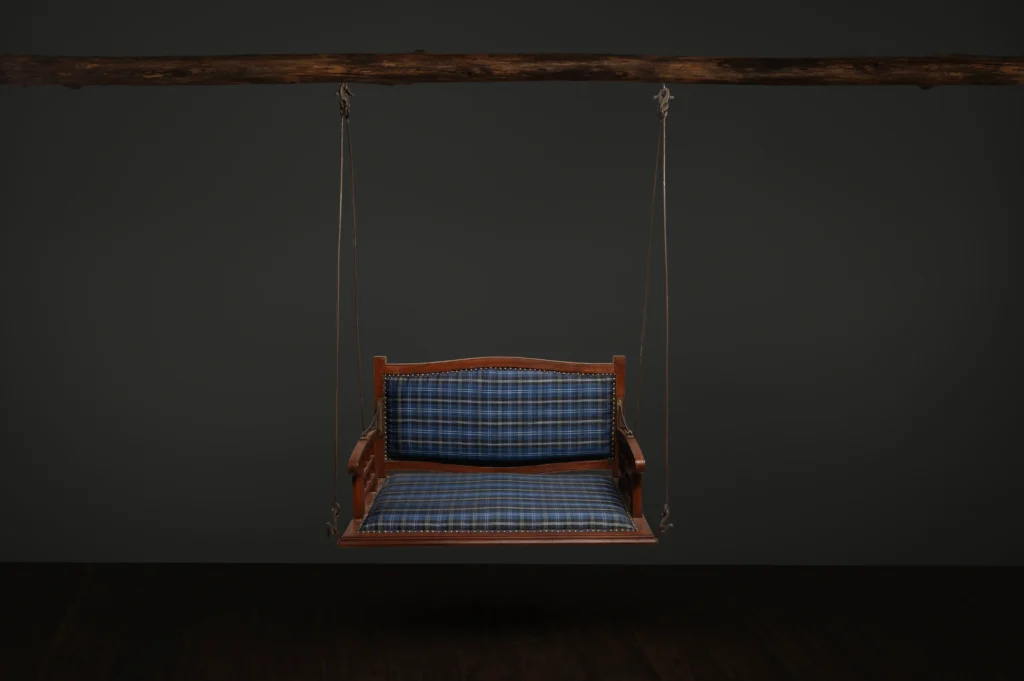
For handicrafts to shine, they need the right backdrop, and that’s where a genuine antique furniture piece earns its place. A restored console, cabinet, or table gives handcrafted objects a surface – literal and stylistic – that respects their detail instead of competing with it. Set a hand-carved curio against a plain modern shelf, and it can look lost. Set it against timeworn wood with its own story, and suddenly both pieces look more valuable than they did apart.
A Legacy Rooted in the Craft Itself
This connection between furniture and handicraft isn’t just an aesthetic choice for us – it’s where Circa Warehouse actually began. Our journey started with Indian handicrafts, a family trade built on sharing genuine art and culture, long before it grew into restoring furniture and architectural pieces. Every collection we curate still carries that same instinct: find what’s real, and let it speak for itself.
Crafting a Room With Depth
A truly luxurious interior isn’t defined by how new or expensive everything looks – it’s defined by how much genuine craft is in the room, and how visibly that craft is allowed to show. Pair a storied piece of furniture with a handcrafted accent or two, and you’re not just decorating a space. You’re continuing a tradition that’s been building rooms worth remembering for centuries.
Ready to bring home a piece of Indian handicrafts? Get in touch with Circa Warehouse today.