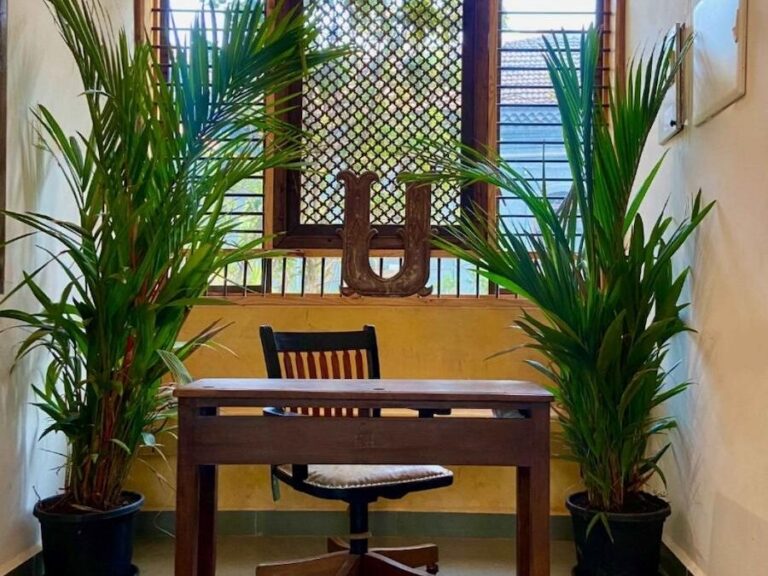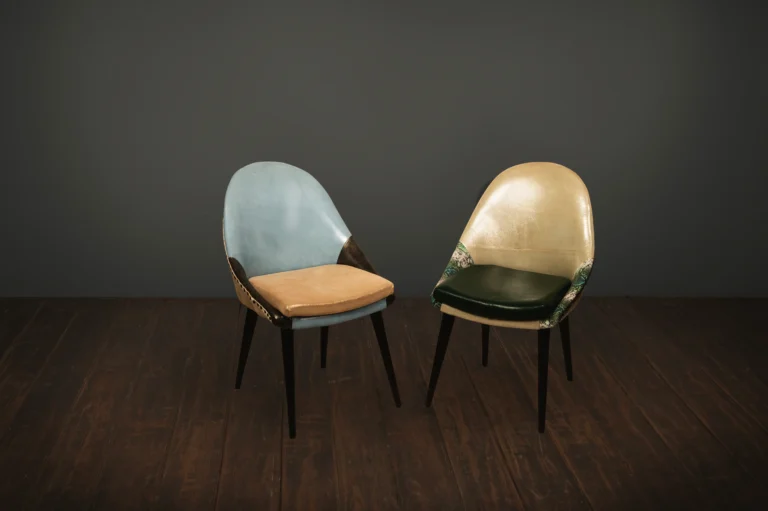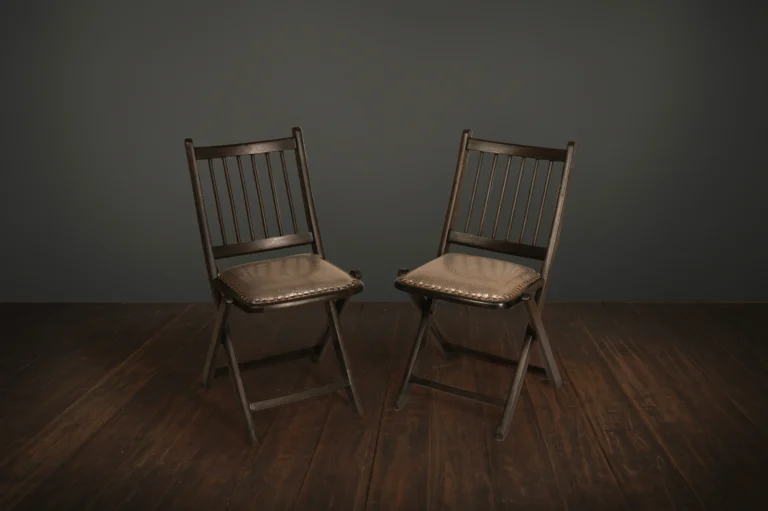
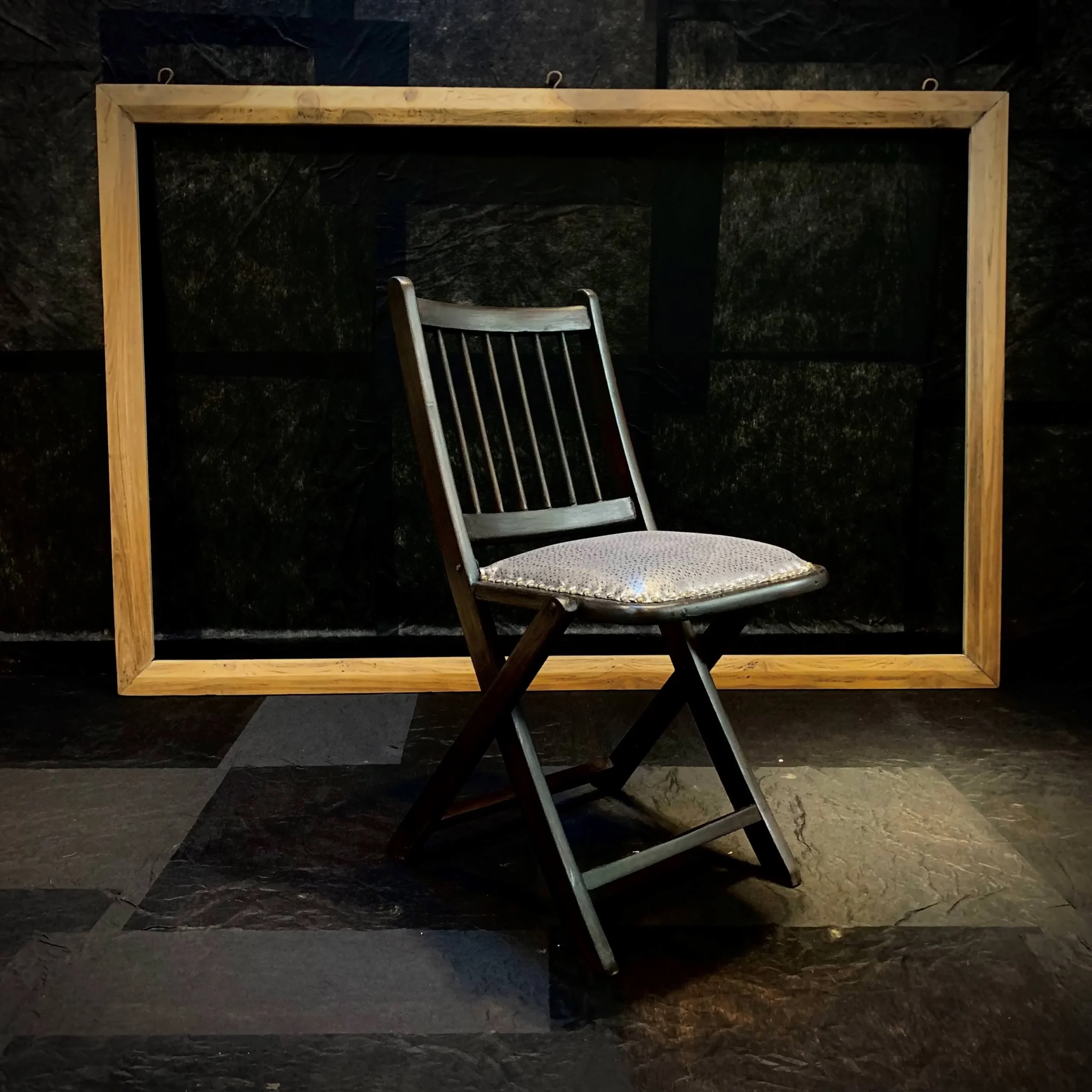
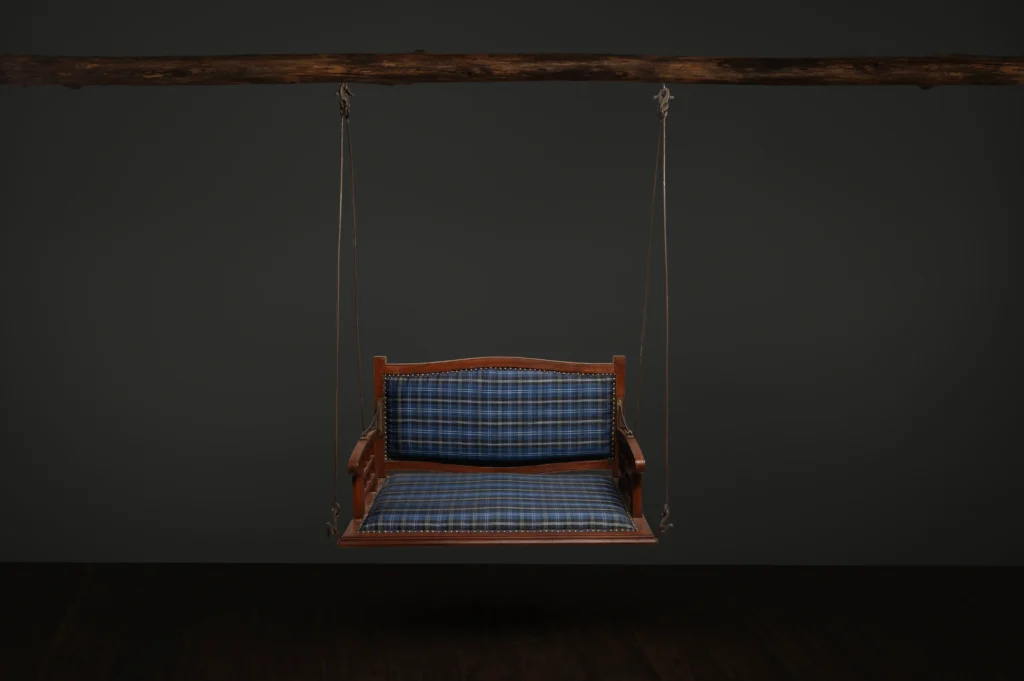
Not every old piece of furniture is a good investment. That surprises people. Age alone doesn’t create value – plenty of genuinely antique furniture is worth little more than firewood, while a handful of well-chosen pieces quietly outperform almost every other asset in a home. The difference lies entirely in what you know to look for before you buy, not in how old something claims to be.
At Circa Warehouse, we source and restore pieces with exactly this distinction in mind. Legacy, not look-alike – and definitely not just old for the sake of it. If you’re buying with an eye on long-term value, here’s what actually separates an appreciating piece from an expensive mistake.
Provenance Matters More Than Age
A piece that’s simply old tells you little. A piece whose origin, maker, or history can be traced tells you everything. Provenance is what separates a curiosity from a collectible – it’s the difference between “this looks about a hundred years old” and “this came from a specific workshop known for a specific technique.” Before buying, always ask where a piece came from and what’s actually known about it. The answer matters more than the price tag.
Materials and Craftsmanship That Hold Up
Value tends to follow quality of construction, not just style. Solid timber, hand-cut joinery, and detailing that clearly took time to execute all signal a piece built to last – and, by extension, a piece likely to keep its worth. This is the standard behind Circa’s antique furniture, where every piece is assessed on the strength of its original craftsmanship before it’s ever considered for restoration.
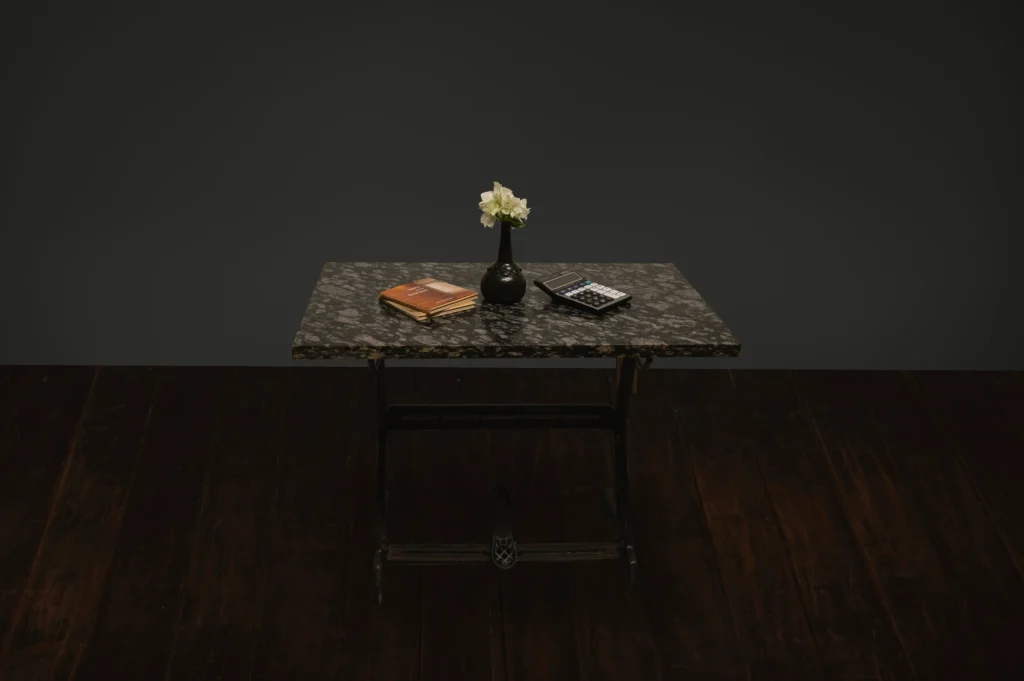
Rarity Beats Beauty Alone
A beautiful piece that exists in abundance will rarely appreciate the way a rare one will. Scarcity is one of the strongest drivers of long-term value, which is why pieces tied to a specific region, era, or vanishing craft tend to hold their worth best. It’s the same principle behind heritage furniture and architectural salvage – a carved pillar or an ornate door from a structure that no longer exists simply can’t be replaced, and that permanence is exactly what makes it valuable.
Condition and Restoration Quality
Poor restoration can undo the value of an otherwise excellent piece just as easily as neglect can. Over-polished surfaces, replaced hardware that doesn’t match the era, or repairs that ignore the original construction method all chip away at long-term worth. When evaluating vintage furniture, look closely at how it’s been restored, not just how old it claims to be. Mindful restoration preserves value. Careless restoration quietly erases it.
The Simplest Test: Would You Keep It Anyway?
The most reliable filter, beyond every technical criterion, is simple: would you still want this piece even if its value never moved? The best long-term buys are always things people would have bought purely for love, and happened to appreciate besides. Chase a piece for its story first, and the value tends to take care of itself.
Ready to bring home a piece of antique furniture? Get in touch with Circa Warehouse today.