Walk into any furniture store today and you’ll find shelves of “vintage-inspired” pieces – distressed on purpose, aged by machine, designed to look like they’ve lived a hundred years in a factory that made them last week. They can be convincing at a glance. But sit with them a little longer, and something always feels missing. That missing thing is the truth. It’s the difference between furniture that looks old and furniture that actually is.
At Circa Warehouse, this distinction is the whole point of what we do. We don’t manufacture the look of history – we restore the real thing. Legacy, not look-alike. If you’re weighing a reproduction against a genuinely restored antique, here’s what actually separates the two, and why it matters far beyond appearances.
What “Reproduction” Really Means
A reproduction is furniture built new, styled to resemble an antique. It might use similar wood tones, replicate a silhouette, or even bear artificial wear marks. What it can’t replicate is history – the decades of actual use, the timber that’s settled and cured naturally, the joinery techniques that simply aren’t taught or practiced at scale anymore. It’s a costume, not a character. And like any costume, it rarely holds up under close inspection.
What Restoration Actually Involves
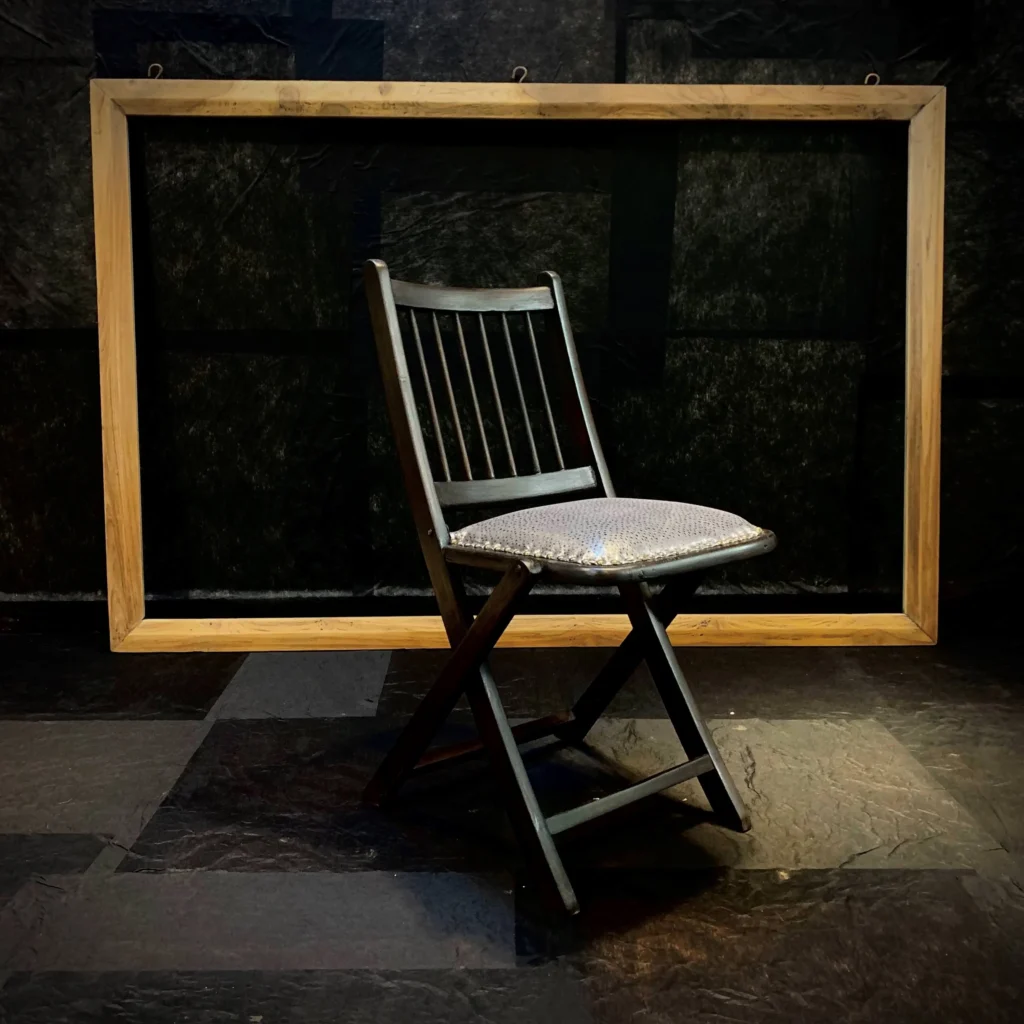
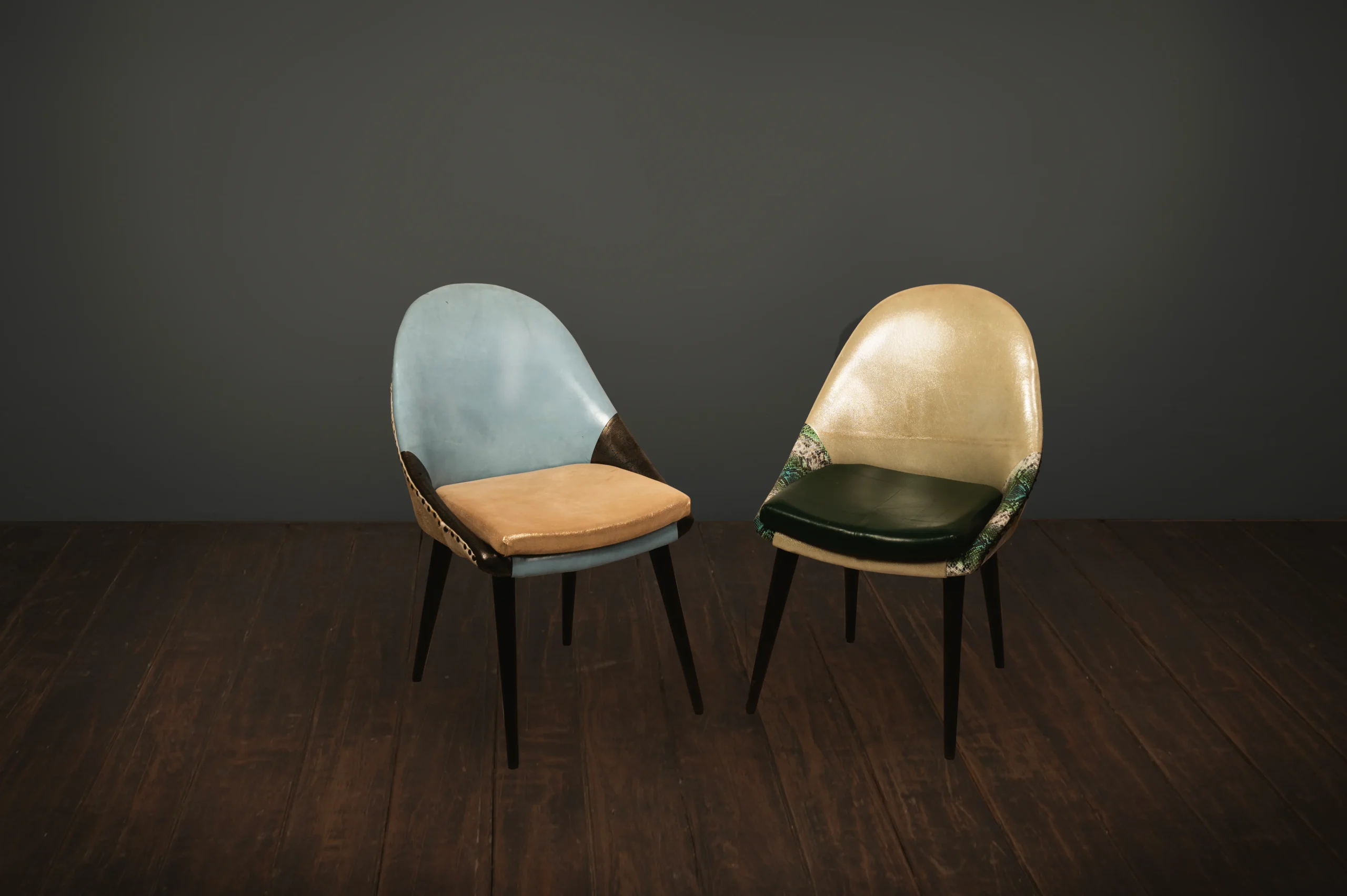
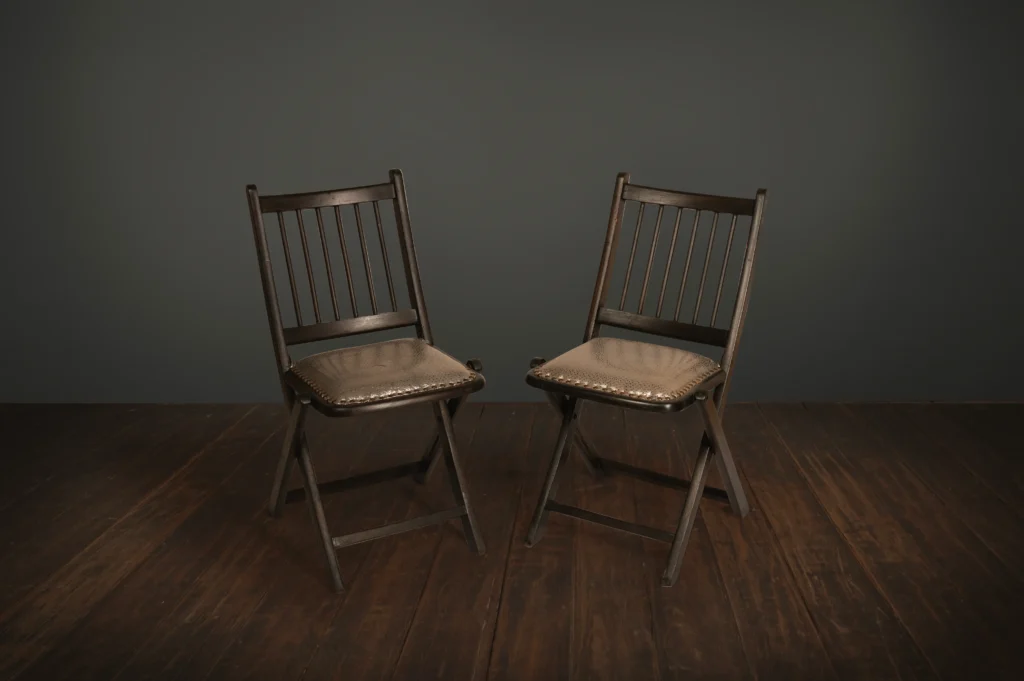
Restoring an antique is a far slower, more deliberate process. It starts with sourcing a genuine piece, often in a state most people would call unsalvageable, and studying it closely enough to understand what it originally was before deciding what it needs to become again. Structural repairs are made where necessary, finishes are carefully revived, and – critically – the piece’s original character is preserved rather than erased. This is exactly how Circa’s vintage furniture is lovingly restored to honour its original craftsmanship while ensuring it fits seamlessly into contemporary homes.
How to Tell the Difference
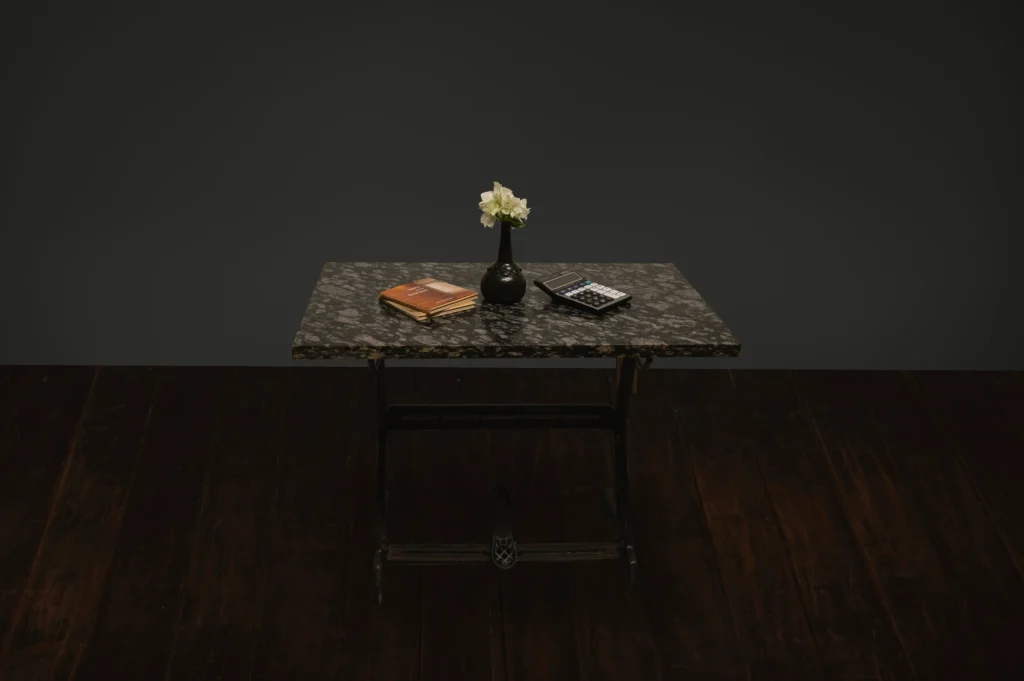
Authenticity leaves clues that mass production can’t fake. Genuine antique furniture tends to show natural variation – no two identical drawer pulls, joinery that’s slightly imperfect because it was cut by hand, wood grain that ages unevenly because it aged for real. Reproductions, by contrast, are usually too consistent: symmetrical distressing, uniform finish, hardware that looks aged but feels new to the touch. If you’re evaluating a piece, look underneath, inside the drawers, and along the joints – the truth is almost always in the details a showroom photo won’t show you.
Why Authenticity Is the Better Investment
A reproduction depreciates the way most furniture does – the moment it leaves the store. Genuinely restored heritage furniture behaves differently. Its value is tied to rarity, craftsmanship, and provenance, all of which become harder to find with time, not easier – true even of architectural salvage, where doors, windows, and pillars from grand edifices are restored to preserve genuine historical essence, rather than recreated from scratch.
A Philosophy, Not Just a Process
For us, restoration was never just a technique – it’s a mission rooted in a family legacy of trade in Indian handicrafts, built around sharing genuine art and culture rather than manufacturing an imitation of it. Every piece of antique furniture we restore honours its imperfections instead of hiding them, travelling from desolation back to a home worth belonging in.
Choosing What Lasts
A reproduction can fill a room. Only an authentic, restored piece can fill it with history. The next time you’re choosing between the two, ask less about how a piece looks today, and more about where it’s actually been – because that’s the part no factory can manufacture.
If you’d rather bring home something real than something rehearsed, our team can help you track down an authentic antique furniture piece with a history worth keeping.
Ready to bring home a piece of authentic antique furniture? Get in touch with Circa Warehouse today.